MINNEAPOLIS, MINNESOTA — Minneapolis residents are questioning city spending priorities, proposed funding reductions, and the potential impact on city services as officials work to address a $60 million budget shortfall within a municipal budget exceeding $2 billion.
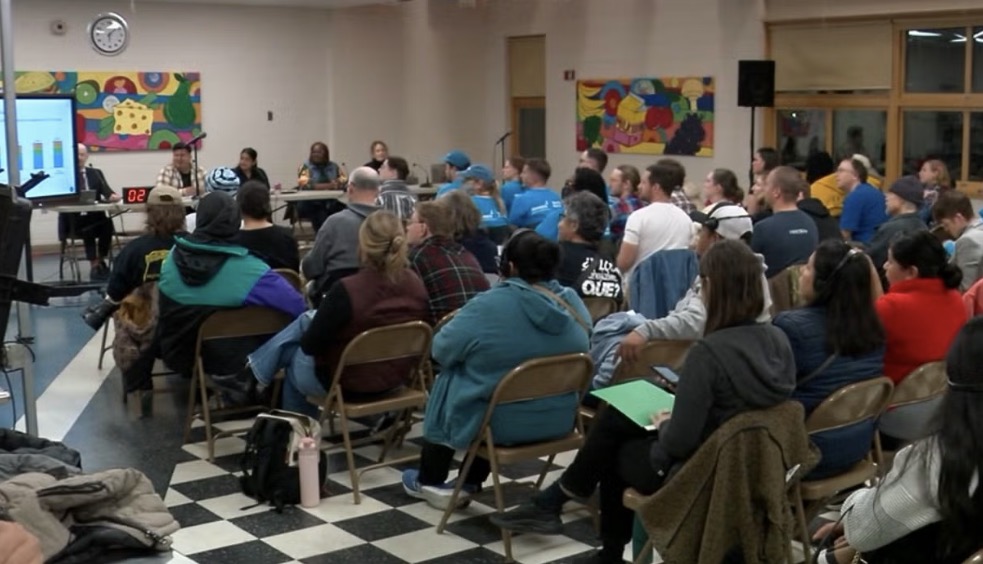
A packed Minneapolis City Council listening session brought residents together to voice concerns about the city’s financial decisions, potential job losses, reductions to community programs, and requests for continued funding. The meeting was the second of two public budget listening sessions held to gather community input before council members finalize spending decisions.
Several residents criticized the city’s approach to managing its finances. One speaker described the proposed budget as a catastrophic failure of fiscal responsibility, while another questioned whether the proposed cost-saving measures would deliver meaningful savings. Other participants advocated for maintaining or increasing funding for specific neighborhood initiatives, including the 30th Street Thrive Plan.
The concerns raised during the meeting reflected competing priorities among residents, with some calling for greater financial accountability and reduced spending while others urged city leaders to protect community investments, employment, and public services.
During the meeting, 5 EYEWITNESS NEWS questioned City Council members about whether public testimony would have a measurable impact on the final budget.
Council Member Elizabeth Shaffer said residents could begin seeing the effects of their testimony when council members introduce amendments intended to restore funding eliminated or reduced in the proposed budget.
Council Member Aisha Chughtai pointed to repeated testimony from low-wage workers concerning code enforcement and interpretation services as an example of community advocacy influencing budget discussions. Chughtai said organized residents and advocates have successfully influenced adopted city budgets in previous years through continued participation in the public process.
Community organizations also urged council members to consider the concerns of residents across different Minneapolis wards. Muhammad Abdullabad of TOUCH Outreach emphasized the importance of elected officials listening to their constituents, particularly when making decisions that affect neighborhood resources and public funding.
The city’s $60 million budget gap has placed additional pressure on elected officials to balance spending reductions against requests to maintain or expand services. Council members must determine which programs and departments will receive funding while addressing the projected shortfall.
City Council members acknowledged that the final budget is unlikely to satisfy every resident or organization. While some concerns raised during the listening sessions may result in amendments to the proposed budget, others may not lead to changes.
The Minneapolis City Council will continue reviewing spending priorities and potential budget amendments as it works toward adopting a final budget.