Dakota · 10/27/2026

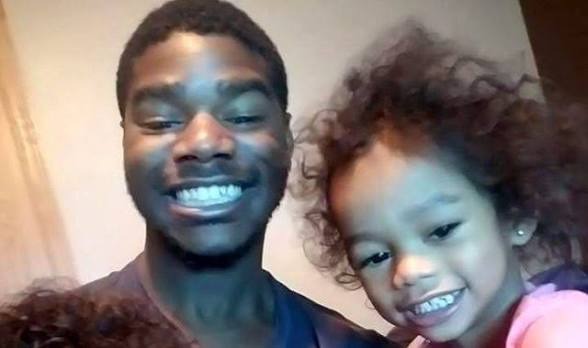

For three months, Ralph Latrez Bell’s family searched for a young father who had left his Stillwater home one December night and never returned. His car had been found in Roseville with the engine running, but there was no sign of him. At home, two daughters were waiting for their father, and another child was on the way.
On March 22, 2019, a resident looking for shed deer antlers discovered Bell’s remains near Dale Street and Roselawn Avenue. Hours later, his partner gave birth to their son. The family had found Ralph on the same day they welcomed a child who would carry his name.
The discovery ended the search for his whereabouts. It did not settle the questions about what had happened to him.
Three days later, Roseville police announced a preliminary finding of suicide. Bell’s relatives questioned the investigation and the response to his disappearance, taking their concerns to public meetings and calling for an independent review. The distinction between that preliminary finding and the family’s unresolved concerns has remained central to the public account of his death.
Before he became the subject of a missing-person search, Bell was building a life around his children. He had two daughters, reported at the time to be two and four years old, and worked at Metal-Tronics in Little Canada. His mother, Corhea Taylor, remembered him as family-oriented and excited about fatherhood.
A later account also described plans to continue his education and eventually start a business, although the specific school and business plans have not been independently documented here. Together, those accounts describe the future his loved ones believed he was working toward: raising his daughters, welcoming his first son and finding ways to provide for his growing family.
His disappearance left that future suspended. As the weeks passed without an answer, relatives had to prepare for a birth while continuing to look for the person they expected to be there for it. When their son arrived in March, the family announced that he would be named after his father.
Those family memories are part of understanding who Ralph was and what his absence meant. They do not, on their own, establish how he died.
The last reported departure from Bell’s Stillwater residence was around 10 p.m. on December 20, 2018, after what authorities described as a minor disagreement. About an hour later, the vehicle he was believed to have been driving was found in the 800 block of Cope Avenue West in Roseville. It was unoccupied, with its engine still idling.
His phone went to voicemail, and authorities said family and friends had not heard from him. In the days that followed, a public appeal described Bell as about 5 feet 6 inches tall and 155 pounds, last seen wearing work boots, jeans, a navy top bearing “TC” lettering and a green cargo jacket. The circumstances prompted concern for his welfare.
The vehicle gave investigators a place to begin, but the public accounts reviewed for this story do not establish a verified sequence of his movements after it was abandoned. That gap would become more consequential when his remains were found three months later, near trees at the northeast corner of Dale Street and Roselawn Avenue.
Police confirmed the identification on March 25. Their announcement described the manner of death as a preliminary determination of suicide, with toxicology still pending. The Minnesota Bureau of Criminal Apprehension was also reported to be processing the scene at that time.
Early accounts of multiple wounds came from relatives speaking with reporters; officials had not publicly confirmed those injury details in the announcement summarized by contemporary coverage. The recovery date also did not establish the date of death. The final autopsy, completed toxicology and full investigative file were not obtained for this article, leaving limits on what can be independently established from the public record.
By July, the family’s concerns had moved into Stillwater’s council chambers. At the July 16, 2019 meeting, relatives and police leadership gave sharply different accounts of the response.
Chief John Gannaway said police began investigating immediately but assigned a full-time investigator six days later. He described nine search warrants, 45 people interviewed and 70 interviews overall, along with searches and assistance from the BCA. Because Bell’s remains were found in Roseville, he said, that department led the death investigation.
Relatives questioned whether the disappearance had been treated with sufficient urgency. Bell’s partner challenged the initial response and the decision against search dogs. His mother and cousin, Autumn Jacobson, said police had not joined family searches. His sister, Isabella Taylor, also criticized the handling. Gannaway said Stillwater would follow up on new information.
The meeting minutes preserve these competing accounts; they do not adjudicate them. They clarify that the acknowledged six-day delay concerned a full-time assignment, while the chief disputed the suggestion that no investigative work had begun. Establishing what happened during those days requires a dated record of the actions taken.
The family continued seeking outside scrutiny. A petition called for an independent investigation and alleged missed interviews, evidence-handling failures and inadequate search resources. A podcast examining the case raised similar concerns, including alleged evidence destruction. Those allegations are not established findings, but they document the issues advocates wanted examined. Taylor was still publicly challenging the official account at a gathering of impacted families in 2022.
Later investigative reporting brought renewed attention to details that had not been confirmed in the initial public announcement. It described wounds involving Bell’s abdomen, chest and wrists, an inside-out coat and a folded knife in a pocket. It also described the vehicle’s driver’s door as open and placed the recovery site approximately 1.5 miles away.
Those details remain attributed to that reporting. Minnesota Now has not independently examined the original scene photographs, forensic documentation or laboratory results. A description of an item’s position or condition cannot, by itself, explain the circumstances of a death. Answering the family’s evidence questions would require the underlying records: what was collected, how it was examined, what the testing showed and what happened to the evidence afterward.
The case also appeared in reporting about broader scrutiny of former Ramsey County medical examiner Dr. Michael McGee, following a federal ruling in the separate Dru Sjodin case. The county attorney’s office did not disclose to the reporter whether Bell’s case was included in a review. That broader controversy does not establish who performed Bell’s autopsy, whether his findings were independently reviewed or whether any conclusion changed.
No verified case-specific reclassification was located in the sources examined for this article. The preliminary suicide finding should therefore not be presented as an official homicide determination, nor should the unanswered questions be used to accuse a particular person of causing his death.
The most consequential gaps are in records that could connect the different stages of the case: the final medical findings, a daily chronology of the search, the original vehicle and recovery-scene reports, and an evidence inventory documenting testing and preservation. Any written findings from an independent review would also be essential to understanding whether the case was reassessed.
Until those records are available, the public account remains incomplete. It documents the discovery of Bell’s remains, the preliminary determination announced by police and the family’s sustained objections to the investigation. It does not resolve every issue raised by the people who knew him.
For his relatives, finding Ralph was never the same as understanding what happened to him. The son born on the day his remains were discovered became part of a family that was welcoming a new life while mourning the father who would not come home.
December 20, 2018: Bell reportedly leaves his Stillwater residence around 10 p.m. The associated vehicle is found running and empty in Roseville around 11 p.m.
Late December 2018: Authorities issue a public appeal for information about his whereabouts.
March 22, 2019: His remains are discovered near Dale Street and Roselawn Avenue. His son is born later that day.
March 25, 2019: Police confirm the identification and announce a preliminary suicide determination. Toxicology results are pending.
July 16, 2019: Relatives and police leadership address the investigation at Stillwater’s City Council meeting.
September 2, 2020: Homicide Homegirls publishes an episode examining the case and the family’s concerns.
2022: Corhea Taylor’s continuing advocacy is documented at a public gathering.
January 20, 2023: Georgia Fort and Rebecca Gilbuena publish further reporting addressing Bell’s case and medical-examiner scrutiny.
City of Stillwater: July 16, 2019 City Council meeting minutes, pages 2–3. The primary government record for the family’s statements and the police chief’s response. Read the official minutes
FOX 9: December 30, 2018 missing-person report, including the last reported departure, vehicle discovery and police description. Read the report
FOX 9: March 25, 2019 identification and preliminary death determination. Read the report
The Minnesota Star Tribune: December 31, 2018 reporting providing employment and family background. Read the article
CBS Minnesota: December 31, 2018 interview with Corhea Taylor, subsequently updated following the recovery. Read the family interview
Bring Me The News: March 24, 2019 account of the birth of Bell’s son and the family’s announcement. Read the article
Bring Me The News: March 25, 2019 reporting on preliminary findings, pending toxicology and the distinction between family reports of injuries and the official announcement. Read the article
Georgia Fort and Rebecca Gilbuena: January 20, 2023 investigative reporting on medical-examiner scrutiny, with discussion of Bell’s case and reported evidence details. Read the investigation
Homicide Homegirls: September 2, 2020 episode listing and description. Used for attributed family aspirations and advocacy concerns; the complete audio was not independently transcribed for this article. View the episode
Unicorn Riot: Reporting documenting Taylor’s public advocacy in 2022. Read the coverage
Change.org: Petition calling for an independent review. This is an advocacy source; its allegations are not treated as established findings. Read the petition
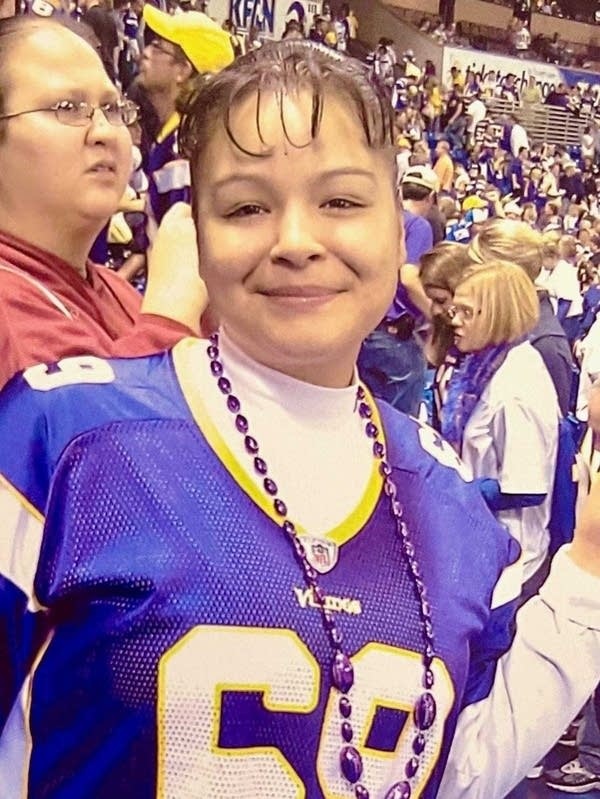
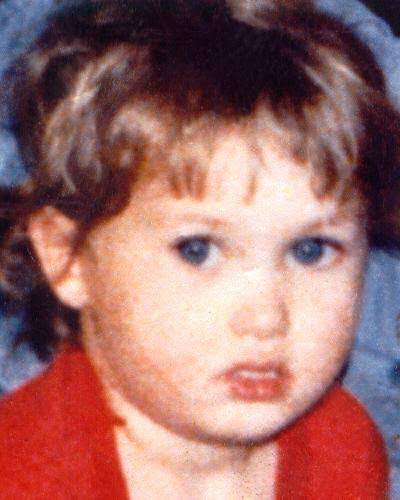
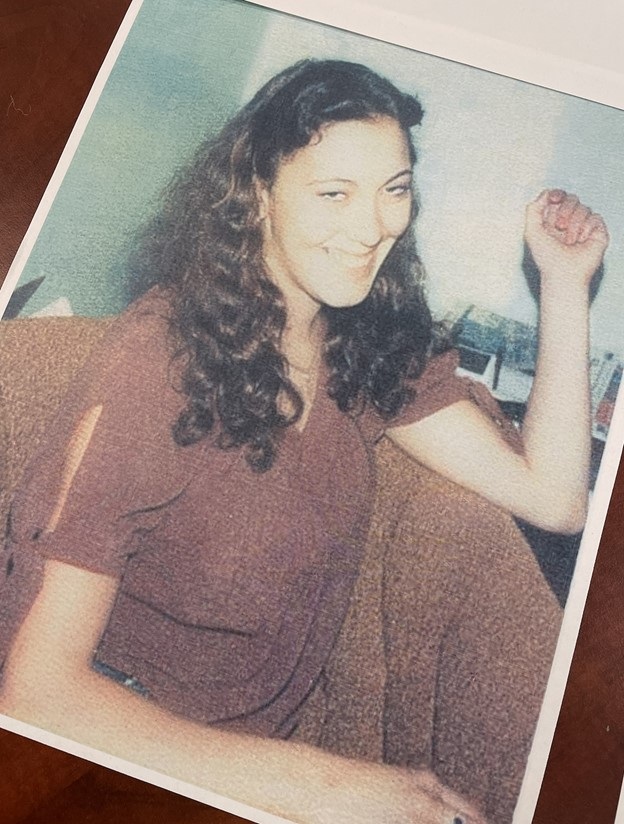
Editorial and photo note: This is a retrospective account, not an active missing-person notice. Historical descriptions of an ongoing investigation do not confirm its current administrative status. The final autopsy, completed toxicology and full police file were not obtained for this article. Photographs were supplied to Minnesota Now; original photographers and dates were not provided.